
Frozen does not have to mean compromise. Learn how flash-freezing preserves nutrients and how to defrost without ruining texture.
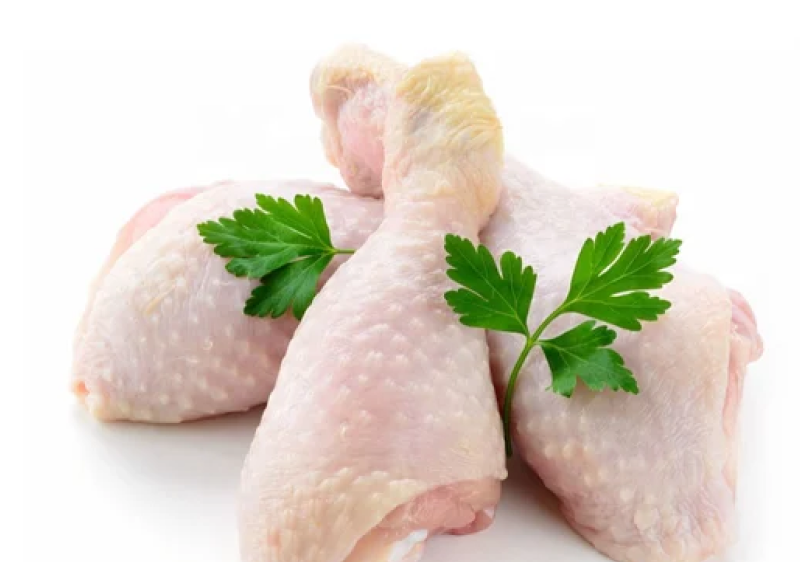
There's a stubborn idea that fresh always beats frozen. With chicken, that's only true at the butcher counter on day one. By day three, the bird sitting in the fridge has already lost moisture, oxidised fats, and started developing off-flavours. A bird that was flash-frozen at peak — within hours of butchering — often eats better than one that has been 'fresh' for half a week.
Industrial blast-freezers drop the meat below -18°C in under 30 minutes. At that speed, the water inside muscle cells forms tiny ice crystals instead of large, tearing ones — so when you defrost, the cells stay intact and the juices stay where they belong. Slow home-freezing does the opposite, which is why a bird thawed from the back of a deep-freezer can come out spongy.
The best method is the slowest: leave the chicken in its packaging, place it on a tray on the bottom shelf of the fridge, and give it 24 hours per kilogram. If you're rushed, submerge the sealed packet in cold water and change the water every 30 minutes — never use warm water and never defrost on the counter, both of which push the surface into the bacterial danger zone. Microwave defrosting is the last resort; it part-cooks the edges and almost guarantees a rubbery result.
Pat the bird completely dry before seasoning — moisture is the enemy of a good sear. Done well, frozen chicken will out-cook a so-so fresh one every single time.

100% genuine African groceries sourced from trusted suppliers

We ensure the freshness and quality of all our products

Quality African foods at prices that fit your budget

Free home delivery on all orders over £20 in your area